Software development often presents challenges in creating maintainable, scalable, and reusable code. Design patterns offer a structured approach to address these issues, providing tested solutions to common problems. This guide dives deep into the world of design patterns, exploring their core principles and practical applications in tackling diverse software development obstacles.
We’ll cover everything from understanding the fundamental categories of design patterns—creational, structural, and behavioral—to identifying specific problems they solve. Real-world examples and detailed explanations will empower you to apply these patterns effectively in your projects.
Introduction to Design Patterns
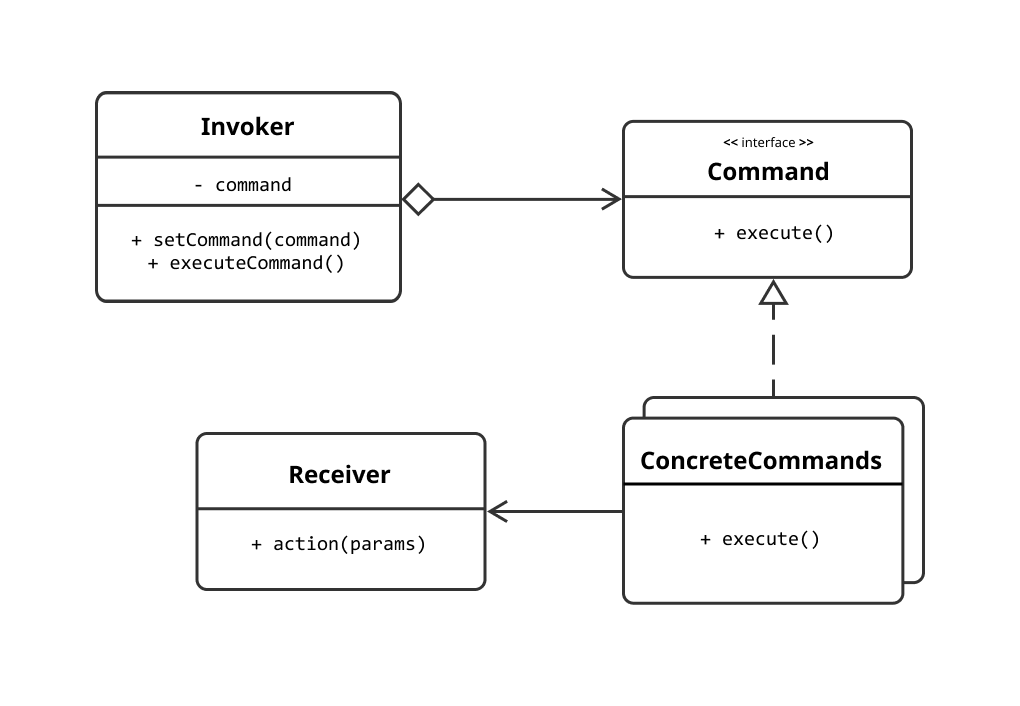
Design patterns are reusable solutions to common software design problems. They provide a documented template for structuring code, promoting consistency, and enhancing code maintainability. They are not specific to any particular programming language, making them highly transferable across projects and teams. By codifying best practices, patterns help developers avoid reinventing the wheel and produce more robust, efficient, and scalable applications.These pre-defined solutions offer a standardized approach to address recurring challenges in software development.
They act as blueprints, facilitating the construction of flexible and adaptable systems. By leveraging design patterns, developers can improve code clarity, reducing complexity and enhancing overall project quality.
Different Categories of Design Patterns
Design patterns are broadly categorized into three main types: creational, structural, and behavioral. Understanding these categories helps in choosing the appropriate pattern for a specific design problem.
- Creational Patterns: These patterns deal with object creation mechanisms, encapsulating object creation logic and decoupling the creation process from the application’s code. This promotes flexibility in object instantiation, enabling the creation of objects in various ways based on the specific needs of the application. Examples include Factory Method, Abstract Factory, Builder, and Prototype.
- Structural Patterns: These patterns focus on composing classes or objects to form larger structures. They define ways to organize and arrange classes or objects, enabling the creation of complex software systems. This category includes Adapter, Bridge, Composite, Decorator, Facade, Flyweight, and Proxy.
- Behavioral Patterns: These patterns concentrate on defining communication between objects. They address issues related to how objects interact and delegate tasks to one another. This enhances the flexibility and efficiency of the system’s operations. Notable examples include Chain of Responsibility, Command, Interpreter, Iterator, Mediator, Memento, Observer, State, Strategy, Template Method, and Visitor.
Importance of Design Patterns in Software Development
Design patterns are crucial for building maintainable, scalable, and reusable software. They provide a common vocabulary for developers, enabling clear communication and collaboration. Furthermore, the use of patterns enhances code quality and reduces development time by offering proven solutions to recurring challenges.
Benefits of Design Patterns
Design patterns significantly enhance code quality by promoting maintainability, reusability, and readability.
- Maintainability: Design patterns encapsulate complex logic within specific modules, making the code easier to understand and modify. This reduces the likelihood of introducing bugs during maintenance and updates.
- Reusability: Patterns provide a standardized approach to common problems, enabling the reuse of solutions across different parts of a project or even in entirely different projects.
- Readability: Using well-defined patterns allows for more predictable and understandable code structure. This improves code readability and reduces the time required for developers to comprehend the logic.
Example Design Patterns
The following table presents a concise overview of some common design patterns.
| Pattern Name | Category | Description | Simple Example |
|---|---|---|---|
| Singleton | Creational | Ensures a class has only one instance and provides a global point of access to it. | A logging system that only allows one instance for managing logs. |
| Factory Method | Creational | Defines an interface for creating an object, but lets subclasses decide which class to instantiate. | Creating different types of shapes (circle, square, rectangle) using a factory method to choose the appropriate shape class. |
| Adapter | Structural | Allows objects with incompatible interfaces to work together by wrapping the first object with an adapter that translates the interface. | Connecting a legacy system with a modern API by adapting the legacy system’s interface to match the modern API. |
| Observer | Behavioral | Defines a one-to-many dependency between objects so that when one object changes state, all its dependents are notified and updated automatically. | A stock ticker application where clients subscribe to updates on stock prices. |
Identifying Common Problems in Software Development
Software development frequently encounters challenges that hinder efficiency and maintainability. Understanding these common issues is crucial for selecting the right design patterns to address them effectively. Design patterns provide proven solutions to recurring problems, saving developers time and effort while promoting code quality.
Common Software Development Problems Solved by Design Patterns
Various issues in software development can be mitigated through the strategic application of design patterns. These patterns offer standardized approaches to recurring problems, fostering maintainability and reducing the likelihood of common errors. Five significant problems that design patterns effectively address are detailed below.
- Maintaining Flexibility and Adaptability in Evolving Systems: Software systems are rarely static; requirements and functionalities often change over time. This dynamic nature necessitates flexibility and adaptability within the codebase. The pain points include difficulty in modifying existing code without introducing bugs, the high cost of adapting to changing specifications, and potential inconsistencies between different parts of the system. The challenge is to ensure the system can accommodate these changes without compromising stability or introducing unforeseen consequences.
This is where design patterns like the Strategy Pattern and the Observer Pattern excel.
- Managing Complex Interactions Between Objects: As software grows, the relationships between objects can become intricate. Maintaining clarity and control over these interactions is crucial for maintainability and understanding. Pain points include difficulties in tracing dependencies, a steep learning curve for new developers, and the potential for unforeseen consequences when modifying object interactions. The challenge is to manage these relationships in a way that promotes modularity, clarity, and testability.
Patterns like the Facade Pattern, the Mediator Pattern, and the Command Pattern can be particularly effective.
- Ensuring Efficient Resource Management: Software systems often need to manage limited resources like memory, network bandwidth, or database connections. Inefficient resource management can lead to performance bottlenecks and system instability. Pain points include memory leaks, network congestion, and database slowdowns. The challenge is to develop a system that uses resources judiciously and gracefully handles potential resource exhaustion. Patterns like the Singleton Pattern and the Factory Pattern play a significant role in resource management.
- Handling Unexpected Events and Errors Robustly: Software systems must anticipate and handle unforeseen events and errors gracefully. Pain points include system crashes, unexpected user inputs, and corrupted data. The challenge is to create a system that can withstand these events and minimize their impact on the overall functionality. Design patterns like the Template Method Pattern and the State Pattern help to create robust and adaptable systems.
- Promoting Reusability and Maintainability: Reusing code and making systems easier to maintain are crucial for long-term software success. Pain points include difficulties in adapting existing components, increased development time for new features, and the need to handle large codebases. The challenge is to create modular, well-documented components that can be easily reused and modified. Patterns like the Decorator Pattern and the Adapter Pattern provide strategies to promote reusability.
Comparison of Approaches to Solving Common Problems
| Problem | Non-Pattern Approach | Design Pattern Approach |
|---|---|---|
| Maintaining Flexibility in Evolving Systems | Modifying existing code directly, often leading to complex and brittle code. Copying and pasting code fragments without proper abstraction. | Using design patterns like Strategy to encapsulate changing algorithms, making modifications simpler and reducing the risk of introducing errors. |
| Managing Complex Interactions | Tight coupling between objects, making code difficult to understand, test, and maintain. Complex and interwoven conditional logic. | Using design patterns like Facade to create a simplified interface for complex interactions, promoting modularity and clarity. |
| Efficient Resource Management | Ad-hoc resource allocation strategies, leading to potential memory leaks or performance issues. Lack of standardized resource handling. | Employing patterns like Singleton to control resource instantiation, ensuring proper allocation and preventing memory leaks. |
| Handling Unexpected Events | Handling errors with if-else statements within each function, leading to spaghetti code. Lack of centralized error handling. | Implementing patterns like State to define different states of an object and appropriate actions for each, promoting robustness and maintainability. |
| Promoting Reusability | Copying and pasting code or creating highly specific solutions without considering reusability. Lack of modular design. | Applying patterns like Decorator to add functionality to objects without changing their core structure, promoting reusable components. |
Exploring Specific Design Patterns

Design patterns provide reusable solutions to common software design problems. Understanding these patterns allows developers to create more maintainable, scalable, and flexible applications. This section delves into specific design patterns, exploring their functionalities, use cases, and implications.
Singleton Pattern
The Singleton pattern ensures that a class has only one instance and provides a global point of access to it. This is beneficial when only one object of a particular type is needed throughout the application.
- Use Cases: The Singleton pattern is ideal for managing resources like database connections, configuration settings, or logging systems. A single instance can manage these shared resources efficiently.
- Advantages: This pattern promotes resource management, avoids redundant object creation, and provides a centralized point of access. It is also highly efficient for resources that need to be initialized only once.
- Disadvantages: The global state associated with the Singleton can make testing more challenging and can lead to tight coupling within the application. Modifying the Singleton instance might have unintended consequences elsewhere in the code.
Factory Pattern
The Factory pattern defines an interface for creating objects but lets subclasses decide which class to instantiate. This promotes flexibility and allows for the creation of objects without specifying their concrete classes.
- Applications: This pattern is crucial in situations where different types of objects need to be created based on input or context. For example, creating various types of shapes in a graphics application or creating different types of database connections.
- Promoting Flexibility: The Factory pattern decouples the client code from the concrete classes of the objects it creates. This makes the code more adaptable to changes in the types of objects it uses.
Observer Pattern
The Observer pattern defines a one-to-many dependency between objects so that when one object changes state, all its dependents are notified and updated automatically.
- Use for Event Handling and Notifications: This pattern is highly suitable for implementing event handling systems. When an event occurs, the subject (source of the event) notifies all observers (objects interested in the event) of the change, allowing them to react accordingly.
Strategy Pattern
The Strategy pattern defines a family of algorithms, encapsulates each one, and makes them interchangeable. This allows the algorithm used to be selected at runtime.
- Role in Adapting Algorithms: The Strategy pattern is beneficial for scenarios requiring interchangeable algorithms. For example, sorting data using different sorting algorithms (bubble sort, merge sort, quick sort) or applying various discounts based on customer profiles.
- Benefits: This pattern promotes loose coupling, allowing algorithms to be changed without affecting the client code. It also enhances flexibility and reusability.
Summary Table
| Pattern | Core Component |
|---|---|
| Singleton | Instance |
| Factory | Product |
| Observer | Subject |
| Strategy | Algorithm |
Applying Design Patterns to Solve Problems
Applying design patterns effectively transforms abstract solutions into concrete, reusable code. This section explores how to implement specific design patterns to address common software development challenges, providing practical examples. We’ll illustrate the Singleton, Factory, Observer, and Strategy patterns, demonstrating their advantages and highlighting their application within a software scenario.
Scenario: Managing a Database Connection
A common software problem involves managing connections to a database. Maintaining a consistent and efficient connection pool is crucial for performance and resource management. This scenario focuses on designing a system that handles database interactions in an organized and efficient manner.
Singleton Pattern Solution
The Singleton pattern ensures that only one instance of a class exists throughout the application. This is ideal for managing a single database connection. In this solution, a database connection manager is implemented as a Singleton. This ensures that only one connection is maintained, preventing unnecessary resource consumption.“`java// Singleton DatabaseConnectionManagerpublic class DatabaseConnectionManager private static DatabaseConnectionManager instance; private Connection connection; private DatabaseConnectionManager() try // Establish database connection connection = DriverManager.getConnection(“jdbc:mysql://localhost:3306/mydatabase”, “user”, “password”); catch (SQLException e) System.err.println(“Error connecting to database: ” + e.getMessage()); public static DatabaseConnectionManager getInstance() if (instance == null) instance = new DatabaseConnectionManager(); return instance; public Connection getConnection() return connection; “`
Factory Pattern Solution
The Factory pattern allows for the creation of objects without specifying their concrete classes. This solution introduces a database connection factory that creates connections based on different database types.“`java// DatabaseConnectionFactorypublic class DatabaseConnectionFactory public Connection createConnection(String type, String url, String user, String password) if (type.equals(“mysql”)) try return DriverManager.getConnection(url, user, password); catch (SQLException e) System.err.println(“Error creating MySQL connection: ” + e.getMessage()); return null; else if (type.equals(“postgres”)) // Implementation for PostgreSQL connection return null; // Placeholder else return null; // Handle unsupported types “`
Observer Pattern Solution
The Observer pattern allows for a one-to-many dependency between objects. In this context, the DatabaseConnectionManager can notify clients of connection status changes (e.g., successful connection, connection loss).“`java// Observer interfaceinterface ConnectionStatusListener void onConnectionChange(boolean isConnected);“`
Strategy Pattern Solution
The Strategy pattern allows for selecting algorithms at runtime. For instance, the database connection could utilize different connection pooling strategies.“`java// Different connection pooling strategiesinterface ConnectionPoolingStrategy void acquireConnection(); void releaseConnection();// Concrete strategies (e.g., fixed-size pool, dynamic pool)“`
Comparison of Solutions
| Pattern | Description | Advantages | Disadvantages |
|---|---|---|---|
| Singleton | Ensures a single instance | Resource efficiency, global access | Difficult to test, potential for global state |
| Factory | Creates objects without specifying concrete classes | Flexibility, extensibility | Can become complex for many object types |
| Observer | Handles one-to-many dependencies | Loose coupling, notifications | Potential for performance overhead |
| Strategy | Allows selecting algorithms at runtime | Adaptability, maintainability | Increased complexity if many strategies |
Implementation and Best Practices

Implementing design patterns effectively requires a methodical approach that balances understanding their core principles with practical application. This involves careful consideration of the specific problem at hand, the chosen pattern’s suitability, and the potential pitfalls to avoid. A well-structured implementation will not only solve the immediate problem but also contribute to a more maintainable and scalable codebase.
Practical Steps for Implementing Design Patterns
To successfully integrate design patterns into a project, a structured approach is crucial. Begin by thoroughly understanding the problem domain. Identify the core components and interactions that need to be modeled. Next, select the appropriate pattern and carefully analyze how its elements map to the problem’s requirements. Code the pattern’s components, ensuring proper encapsulation and adherence to the chosen pattern’s structure.
Thorough testing is vital to verify the pattern’s functionality and address any unexpected behavior.
Best Practices for Selecting the Appropriate Design Pattern
Selecting the right design pattern is a critical step. Consider the problem’s characteristics, such as the need for flexibility, reusability, or maintainability. Evaluate the trade-offs between different patterns. For instance, a Singleton might be suitable for managing a single resource, while a Factory pattern might be more appropriate for creating various object types. Comprehensive understanding of the pattern’s implications, both positive and negative, is paramount.
Avoiding Potential Pitfalls When Using Design Patterns
Overuse of design patterns can lead to code that is overly complex and difficult to maintain. Carefully consider whether a pattern is truly necessary, or if a simpler solution would suffice. Avoid applying patterns just for the sake of applying them. Misunderstanding the pattern’s core principles can result in flawed implementation and unforeseen consequences. Thorough research and understanding of the specific pattern are essential.
Documentation and Naming Conventions
Clear documentation is essential for maintainability. Provide comprehensive comments explaining the rationale behind using a particular pattern, the intended purpose of each component, and any relevant assumptions. Consistent naming conventions help in maintaining code readability. Use meaningful names for classes, methods, and variables that clearly reflect their purpose and relationship within the pattern. This will significantly aid in future understanding and modifications.
Benefits of Using Design Patterns for Testing and Debugging
Design patterns often facilitate testing and debugging by providing a well-defined structure. The modularity and encapsulation of design patterns allow for isolating and testing individual components, reducing the complexity of debugging and ensuring greater confidence in the codebase. Clearer code structure often translates to more straightforward debugging and improved testability.
Choosing the Right Pattern: A Step-by-Step Guide
| Step | Factors to Consider | Potential Issues to Avoid |
|---|---|---|
| 1. Identify the Problem | Analyze the core requirements and functionalities. | Focusing on superficial aspects without understanding the underlying problem. |
| 2. Evaluate Existing Patterns | Research applicable patterns like Singleton, Factory, Observer, etc. | Choosing an inappropriate pattern due to limited understanding. |
| 3. Assess Pattern Suitability | Consider the pattern’s implications for maintainability, scalability, and extensibility. | Overusing patterns without a clear need, leading to unnecessary complexity. |
| 4. Implement the Chosen Pattern | Carefully code each component and ensure adherence to the pattern’s structure. | Ignoring the pattern’s core principles, leading to flawed implementation. |
| 5. Thoroughly Test | Verify the functionality and address potential issues. | Skipping testing or not testing edge cases, which could expose critical bugs. |
Advanced Topics and Considerations
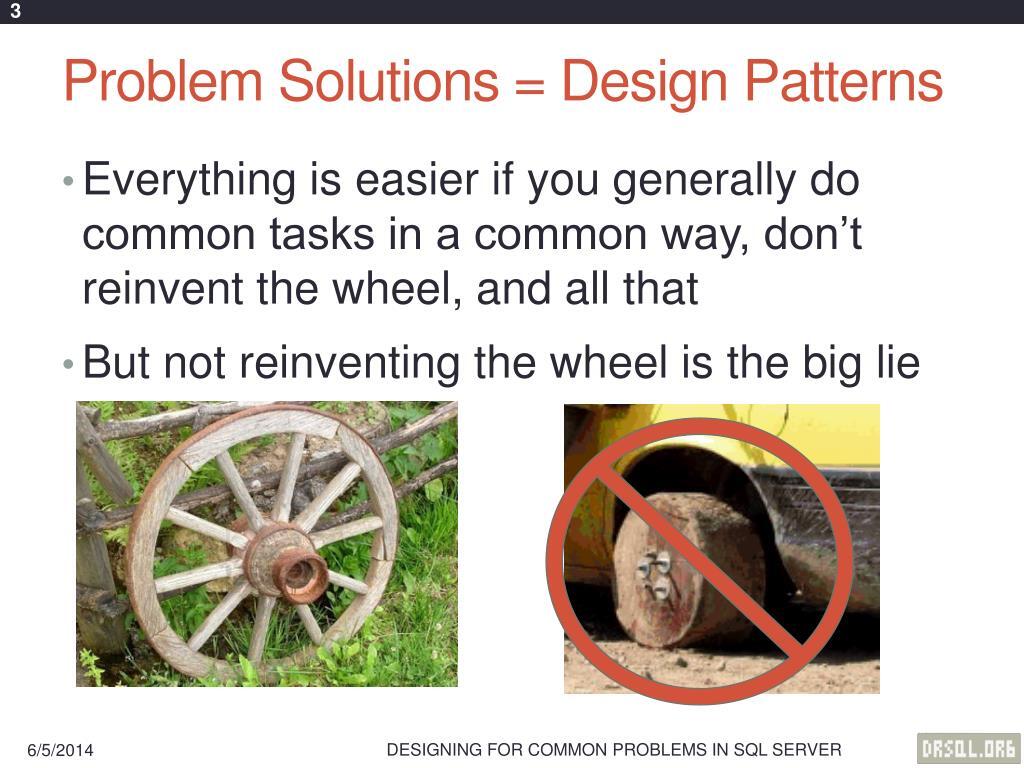
Design patterns, while powerful tools, are not a universal solution for all software development problems. Understanding their limitations, trade-offs, and specific language implementations is crucial for effective application. This section delves into these advanced considerations, providing a more nuanced perspective on leveraging design patterns.Applying design patterns requires careful consideration. Overuse can lead to overly complex code, decreased readability, and potential performance bottlenecks.
Choosing the right pattern for the right situation, and recognizing when a simpler solution suffices, is key to achieving optimal results.
Limitations and Drawbacks of Design Patterns
Design patterns, despite their benefits, have limitations. Over-engineering with a pattern when a straightforward solution is sufficient can result in code that is more complex than necessary. Furthermore, the added complexity introduced by patterns can increase the cognitive load on developers, potentially leading to errors in implementation or maintenance. Choosing the right approach, recognizing when a simpler solution is more appropriate, and balancing complexity with maintainability are critical considerations.
Trade-offs Between Design Patterns and Straightforward Solutions
Employing design patterns often introduces complexity, requiring careful evaluation of the trade-offs involved. While patterns offer solutions to recurring problems and promote code reuse, they can increase the initial development time and complexity. Conversely, a straightforward solution might not handle the complexity of a specific scenario, but it is easier to understand and maintain. Evaluating the project’s specific needs and expected evolution is crucial in deciding whether a pattern is justified.
Design Patterns in Specific Programming Languages
The applicability of design patterns can vary across programming languages. Languages with strong support for object-oriented programming, such as Java and C++, often find design patterns easier to implement. Languages with functional programming paradigms, like Python, might utilize patterns differently or even leverage alternative approaches to achieve similar results. Understanding the strengths and weaknesses of design patterns within a specific language is crucial for effective use.
Comparison of Design Patterns for Similar Problems
Different design patterns can address similar problems but with varying trade-offs. For example, the Strategy pattern and the Template Method pattern both enable the selection of algorithms at runtime, but they differ in how they encapsulate and manage these algorithms. Understanding the nuances of each pattern, including their advantages, disadvantages, and use cases, is critical to making informed decisions.
Advanced Applications and Examples of Design Patterns
Design patterns can be used in complex scenarios to manage intricate interactions and data flows. For instance, the Observer pattern can be leveraged in real-time applications to update multiple components in response to a change in data. The Factory pattern allows creating objects of various classes without specifying their concrete types, fostering flexibility and maintainability. Examining real-world applications demonstrates the practicality and value of design patterns in diverse scenarios.
Comparison of Design Patterns in Different Programming Languages
| Programming Language | Design Pattern Support | Implementation Considerations |
|---|---|---|
| Java | Excellent support for object-oriented design patterns. Strong framework support for common patterns. | Requires careful consideration of object lifecycle and memory management. |
| Python | Design patterns are often implemented with less emphasis on explicit class structures, often utilizing functional approaches. | Flexibility in implementation but can lead to less structured code if not carefully planned. |
| C++ | Powerful support for object-oriented programming, allowing for complex and nuanced pattern implementations. | Requires meticulous attention to memory management and potential performance implications. |
Illustrative Examples
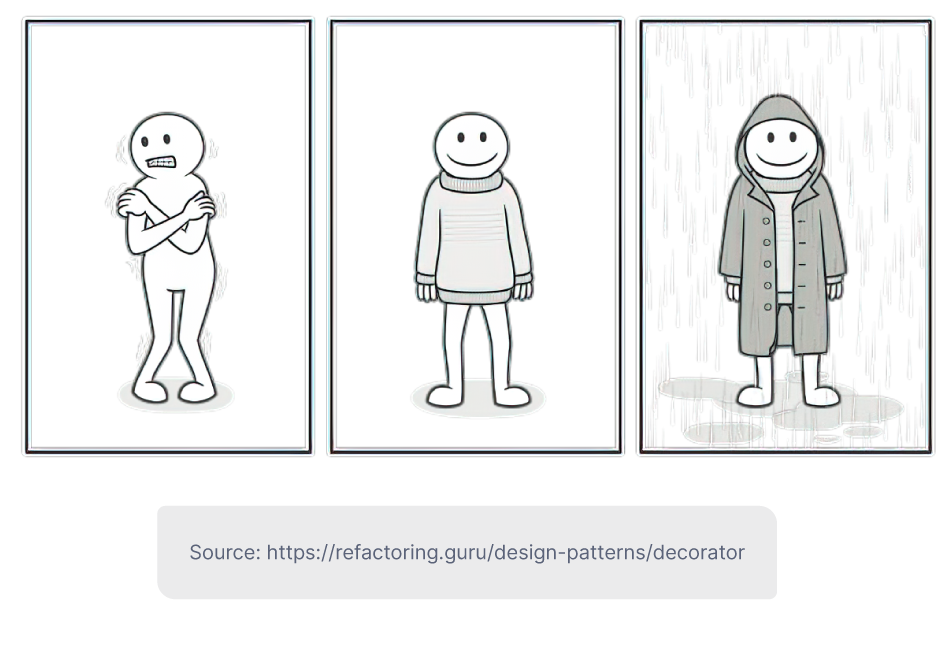
Design patterns, when implemented correctly, can significantly enhance the structure and maintainability of software projects. This section provides practical examples of common design patterns, illustrating their application in various scenarios. These examples will demonstrate how these patterns solve specific problems and improve code quality.
Singleton Pattern
The Singleton pattern ensures that a class has only one instance and provides a global point of access to it. This is useful for managing resources like database connections or configuration settings.
class DatabaseConnection
  private static $instance;
  private $connection;

  private function __construct()
    // Establish database connection
    $this->connection = new PDO("mysql:host=localhost;dbname=mydatabase", "user", "password");


  public static function getInstance(): DatabaseConnection
    if (self::$instance === null)
      self::$instance = new DatabaseConnection();

    return self::$instance;


  public function getConnection(): PDO
    return $this->connection;


// Usage
$connection1 = DatabaseConnection::getInstance();
$connection2 = DatabaseConnection::getInstance();

if ($connection1 === $connection2)
  echo "Both variables refer to the same object.\n";
This example creates a `DatabaseConnection` class that utilizes the Singleton pattern. The `getInstance` method ensures only one connection object is created, which is then accessible globally.
Factory Pattern
The Factory pattern provides an interface for creating objects in a superclass, but allows subclasses to alter the type of objects that will be created. This promotes loose coupling and flexibility.
interface Shape
  public function draw();


class Circle implements Shape
  public function draw()
    echo "Drawing a circle\n";


class Square implements Shape
  public function draw()
    echo "Drawing a square\n";


class ShapeFactory
  public static function getShape(string $type): Shape
    if ($type === "circle")
      return new Circle();
     elseif ($type === "square")
      return new Square();
     else
      return null; // Or throw an exception


// Usage
$circle = ShapeFactory::getShape("circle");
$circle->draw(); // Output: Drawing a circle

$square = ShapeFactory::getShape("square");
$square->draw(); // Output: Drawing a square
This code demonstrates a `ShapeFactory` that creates different shape objects (Circle or Square). This avoids tightly coupling the client code to specific shape classes.
Observer Pattern
The Observer pattern defines a one-to-many dependency between objects so that when one object changes state, all its dependents are notified and updated automatically.
// Observer interface
interface Observer
  public function update(Subject $subject);


// Subject interface
interface Subject
  public function attach(Observer $observer);
  public function detach(Observer $observer);
  public function notify();


// Concrete subject class
class NewsAgency implements Subject
  private $observers = [];
  private $news = "";

  public function attach(Observer $observer)
    $this->observers[] = $observer;


  public function detach(Observer $observer)
    $this->observers = array_diff($this->observers, [$observer]);


  public function notify()
    foreach ($this->observers as $observer)
      $observer->update($this);


  public function setNews(string $news)
    $this->news = $news;
    $this->notify();


// Concrete observer class
class Subscriber implements Observer
  public function update(Subject $subject)
    if ($subject instanceof NewsAgency)
      $newsAgency = $subject;
      echo "New news: " . $newsAgency->news . "\n";
This code implements a `NewsAgency` that informs subscribers (observers) about new news articles.
Strategy Pattern
The Strategy pattern defines a family of algorithms, encapsulates each one, and makes them interchangeable. Clients can select different algorithms at runtime without altering the application’s structure.
interface SortingStrategy
  public function sort(array $data): array;


class BubbleSort implements SortingStrategy
  public function sort(array $data): array
    // Bubble sort implementation
    return $data; //Return sorted array


class MergeSort implements SortingStrategy
  public function sort(array $data): array
    // Merge sort implementation
    return $data; //Return sorted array


class DataSorter
  private $strategy;

  public function __construct(SortingStrategy $strategy)
    $this->strategy = $strategy;


  public function sortData(array $data): array
    return $this->strategy->sort($data);


// Usage
$data = [5, 2, 8, 1, 9];
$bubbleSorter = new DataSorter(new BubbleSort());
$sortedDataBubble = $bubbleSorter->sortData($data);

$mergeSorter = new DataSorter(new MergeSort());
$sortedDataMerge = $mergeSorter->sortData($data);
This demonstrates a `DataSorter` class that uses a sorting strategy. The strategy can be swapped to use different sorting algorithms.
Closing Summary
In conclusion, this comprehensive guide has equipped you with the knowledge and tools to leverage design patterns in your software development endeavors. By understanding their various applications and best practices, you can build more robust, maintainable, and scalable applications. Remember to choose the appropriate pattern for your specific problem, considering the trade-offs and potential pitfalls.